
How Blockchain Technology Improves Online Gaming
How Blockchain Technology Improves Online Gaming
The online gaming industry has grown rapidly over the last decade, bringing millions of players together across different platforms and devices. While modern games offer impressive graphics and engaging gameplay, many players still face common issues such as limited ownership of in-game items, security concerns, and lack of transparency in digital transactions. Blockchain technology is helping to address these challenges and is becoming an important part of the gaming ecosystem.
What Is Blockchain Technology?
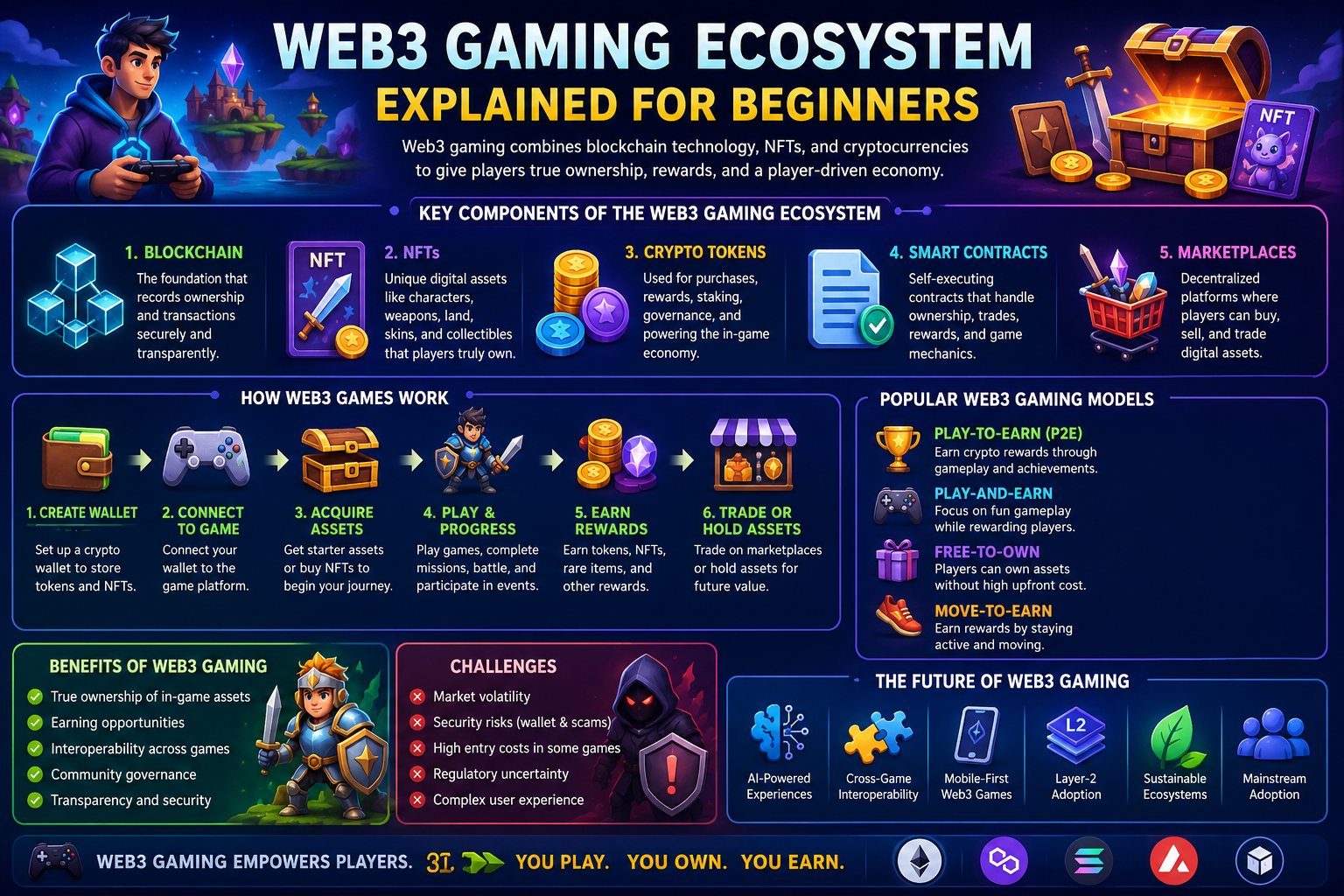
Blockchain is a decentralized digital ledger that records transactions across multiple computers. Instead of relying on a single company or server to manage data, information is stored across a network, making it difficult to alter or manipulate records. This approach increases security, transparency, and trust between users.
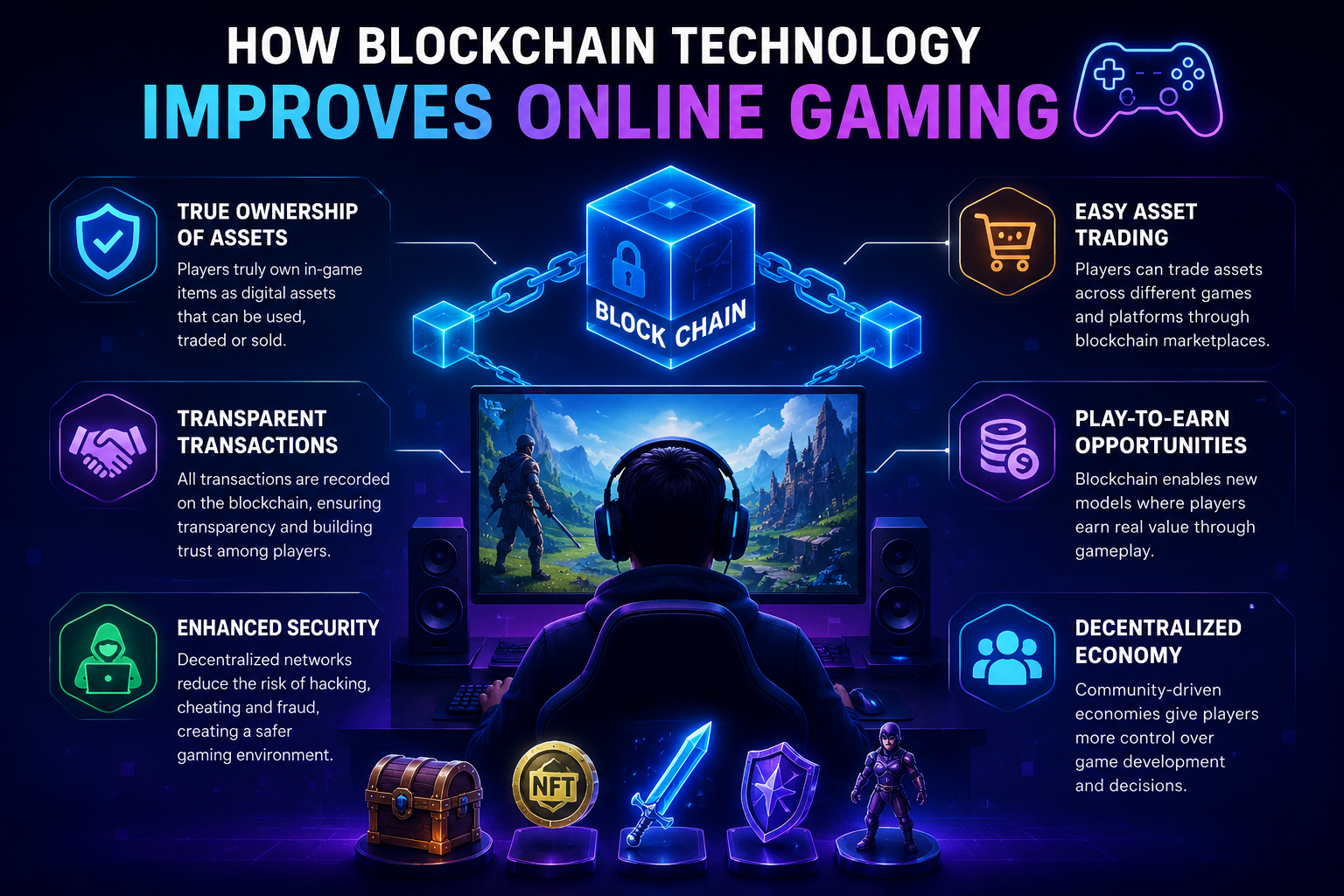
True Ownership of In-Game Assets
One of the biggest advantages of blockchain in gaming is true digital ownership. In traditional games, items such as skins, weapons, characters, and collectibles remain under the control of the game developer. Players may spend money acquiring these assets, but they do not fully own them.
With blockchain technology, in-game assets can be represented as unique digital tokens. These assets belong directly to the player and can be stored independently of the game itself. This gives gamers greater control over the items they earn or purchase.
Improved Security
Online gaming platforms often handle large numbers of transactions, making them attractive targets for hackers. Blockchain’s decentralized structure helps improve security by reducing the risk of data manipulation and unauthorized access.
Every transaction is recorded on a transparent ledger, making it easier to verify activities and detect suspicious behavior. This added layer of security can help protect both players and gaming companies.
Transparent Gaming Economies
Many online games include virtual currencies and marketplaces where players buy, sell, or trade digital goods. In some cases, players may not know how items are priced or how game economies are managed.
Blockchain provides a transparent record of transactions, allowing users to verify the history and authenticity of digital assets. This transparency helps build trust and creates a more reliable gaming environment.
Easier Asset Trading
Blockchain allows players to trade digital assets more efficiently. Instead of being restricted to a single game ecosystem, players can exchange items through blockchain-based marketplaces.
This creates new opportunities for gamers who want to buy, sell, or collect rare items. It can also increase the value of digital assets by giving players access to larger communities and markets.
Reduced Fraud and Counterfeiting
Fraud and counterfeit items have been ongoing issues in online gaming. Blockchain technology helps address these problems by providing verifiable ownership records for digital assets.
Since each blockchain-based asset has a unique identity and transaction history, it becomes much harder for fraudulent items to enter the market. Players can verify authenticity before making purchases or trades.
Supporting New Gaming Models
Blockchain has enabled innovative gaming models, including play-to-earn systems where players can earn rewards through gameplay. These rewards may have value both inside and outside the game ecosystem.
While this model continues to evolve, it demonstrates how blockchain can create new opportunities for player participation and engagement.
Challenges to Consider
Despite its benefits, blockchain gaming still faces several challenges. Transaction fees, scalability limitations, and varying regulations can affect adoption. Additionally, not every game benefits equally from blockchain integration, and developers must carefully evaluate where the technology adds genuine value.
Final Thoughts
Blockchain technology is introducing new possibilities for online gaming by improving security, increasing transparency, and giving players greater control over digital assets. As the technology continues to develop, more game developers are exploring ways to integrate blockchain features into their platforms. While challenges remain, blockchain has the potential to reshape how players interact with virtual worlds and digital economies in the years ahead.
